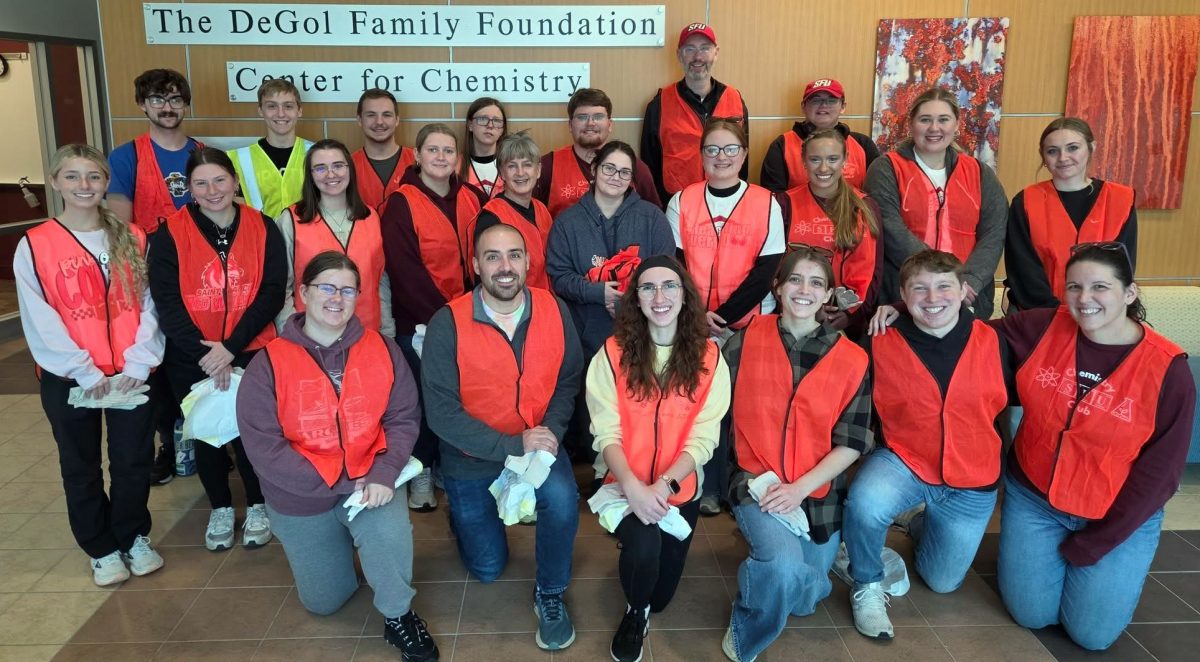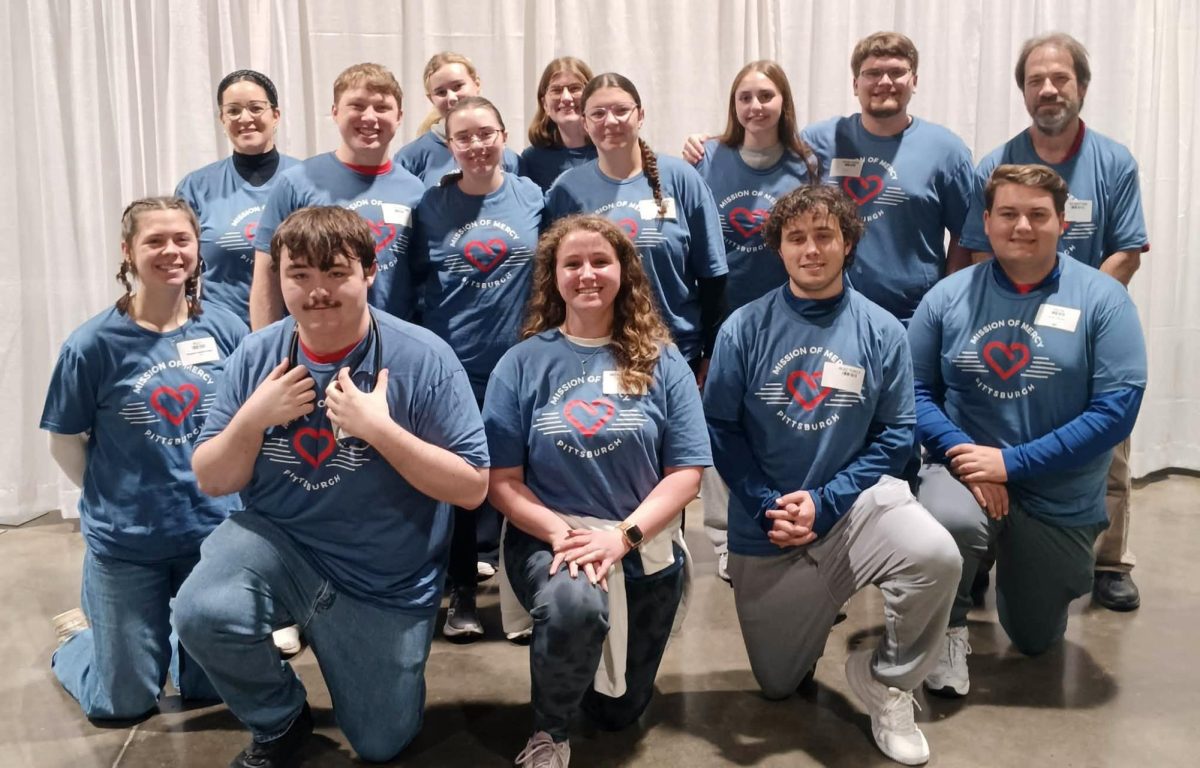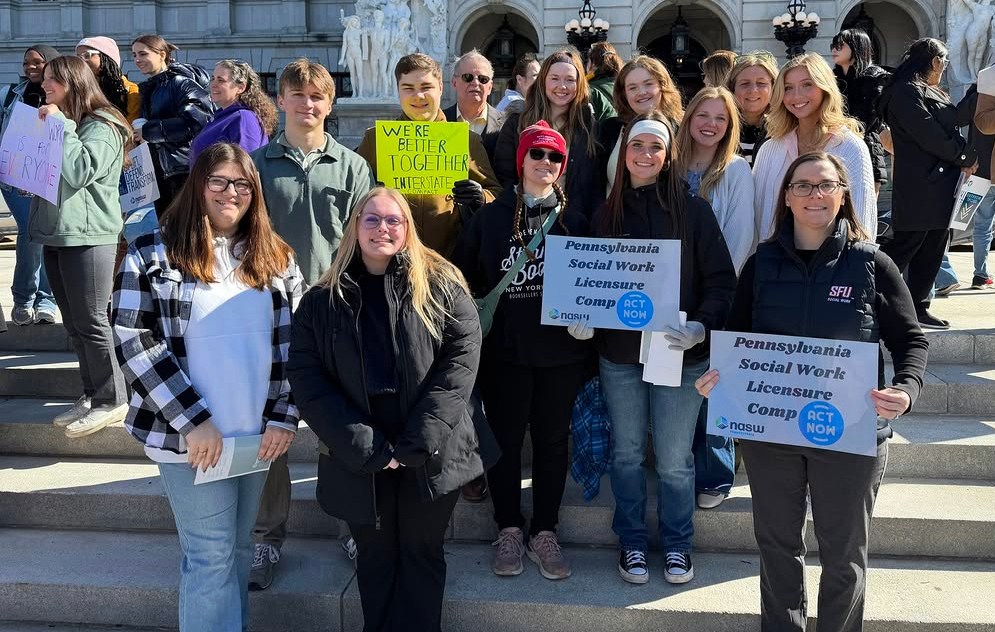
Ten students in SFU’s Social Work Club, along with three faculty members in the program, attended the National Association of Social Workers-PA Lobby Day on March 24.
During this event, participants advocated for legislation that impacts the social work profession and people in the communities that they serve.
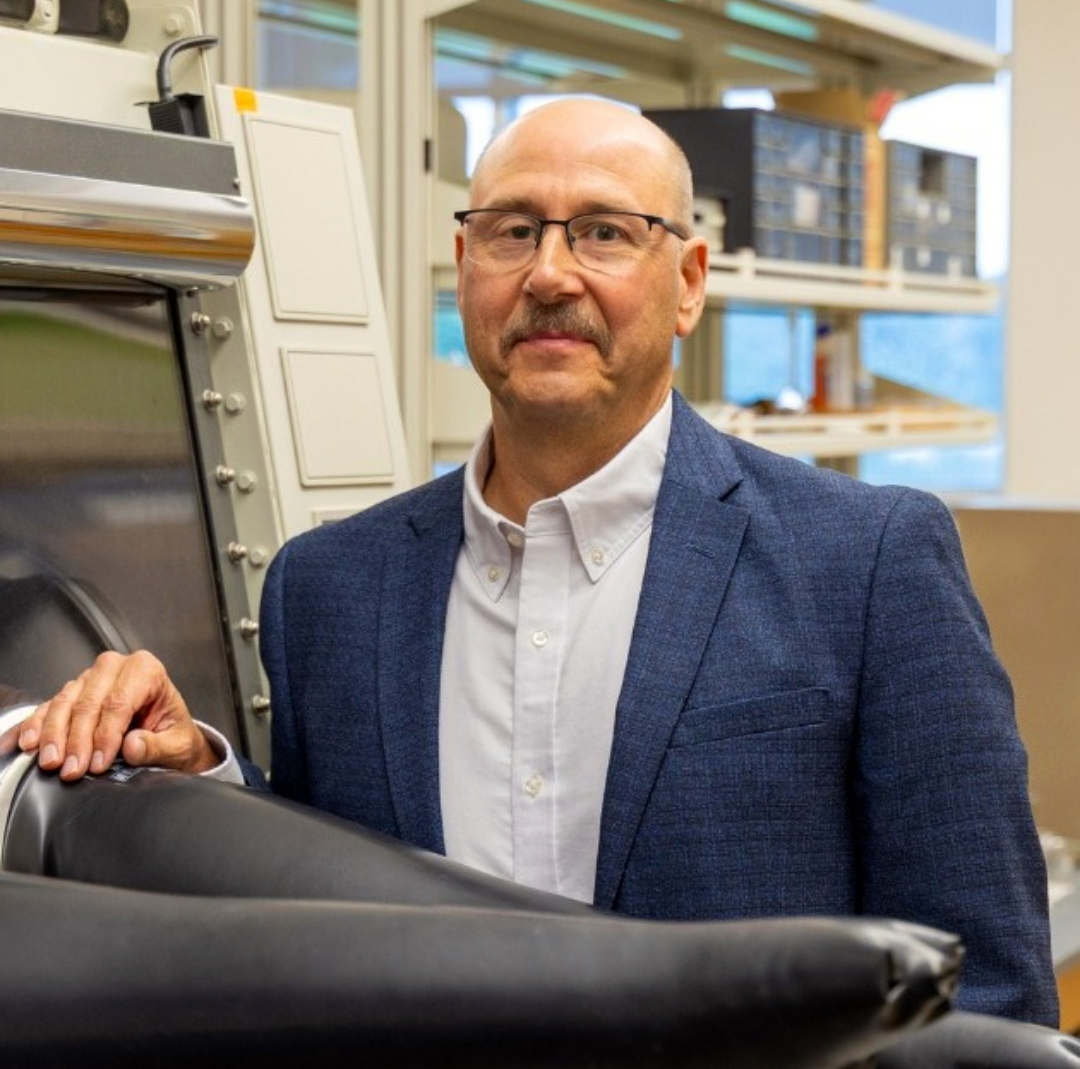
In addition to the students, Social Work Clinical Associate Professor Sue Black and Social Work Clinical Assistant Professor Morgan Daugherty attended the event. Also joining the group in Harrisburg was SFU Social Work Professor Emeritus Mark Lynch.
The group lobbied for House Bill 554: the Social Work Licensure Interstate Compact; HB 1549: Increasing the Minimum Wage; and HB 1993: AI in Healthcare.
They also lobbied for Robbin’s Law, a Senate memo that endorses the creation of a statewide Domestic Violence Registry.
The Social Work Licensure Interstate Compact would allow social workers licensed in Pennsylvania to practice across participating states.
“The engagement with legislators is eye-opening for students and provides direct access to lawmakers who make the policy that affects the social work profession, both now and in the future,” said Black.
The day began with a walk to the Capitol building, followed by a rally.
During the rally, both the President and the Executive Director of the NASW–PA – Sierra McNeil and Tiffany Mayers – along with legislators sponsoring bills spoke about the needs of the profession and the importance of proposed legislation.
Legislators who spoke included, among others, Rep. Aerion Abney, Rep. Tarik Khan and Rep. Kristine Howard.
Following the rally, which drew more than 1,000 attendees, participants met with various legislators and their staff members to advocate for the initiatives they support.
“This hands-on experience enables students to connect classroom learning with real-world policy engagement,” said Daugherty.
“The Social Work Department is proud to model the Franciscan Goals of Higher Education – – particularly Service to the Poor and Needy – by engaging students in advocacy efforts that support and protect vulnerable communities.”